Does the AI assistant provide incorrect information?
Incorrect information arises when the AI assistant states something without a source. Linking responses to the catalog and knowledge base mitigates this risk.
The first question for every company considering adding an AI assistant to its site is the same: what happens if the assistant states an incorrect price or a non-existent feature? This concern is not unfounded. A general-purpose language model tends to complete missing information with plausible sentences. In this article, we explain where incorrect information comes from, how it is prevented, and what you should look for when choosing an assistant.
How to prevent the AI assistant from giving incorrect information?
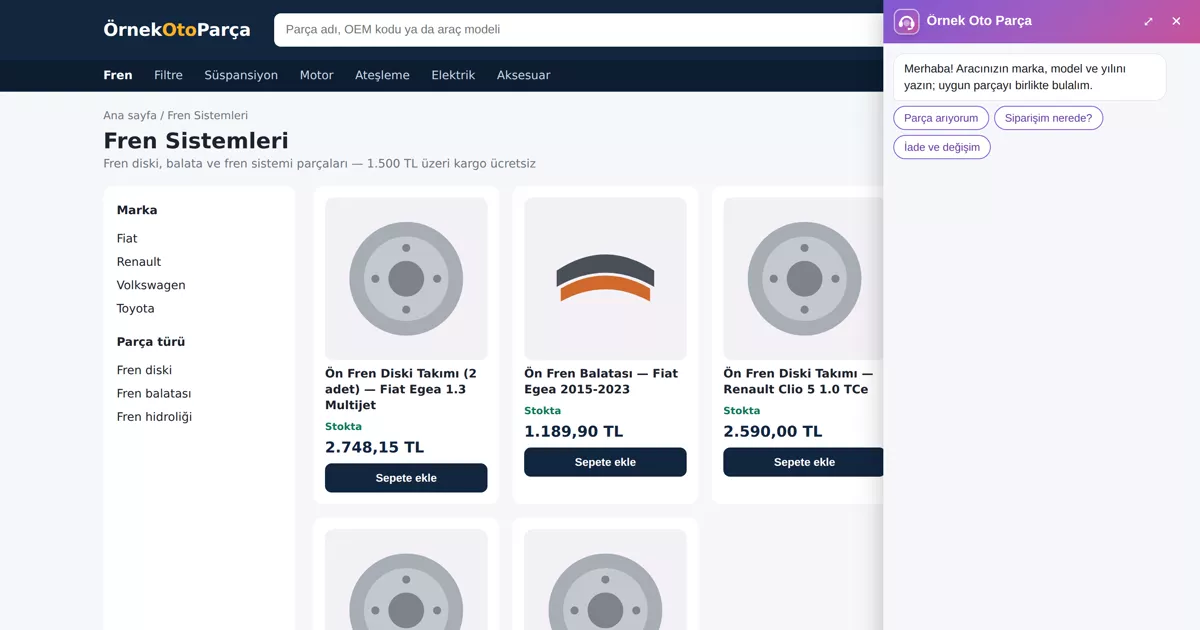
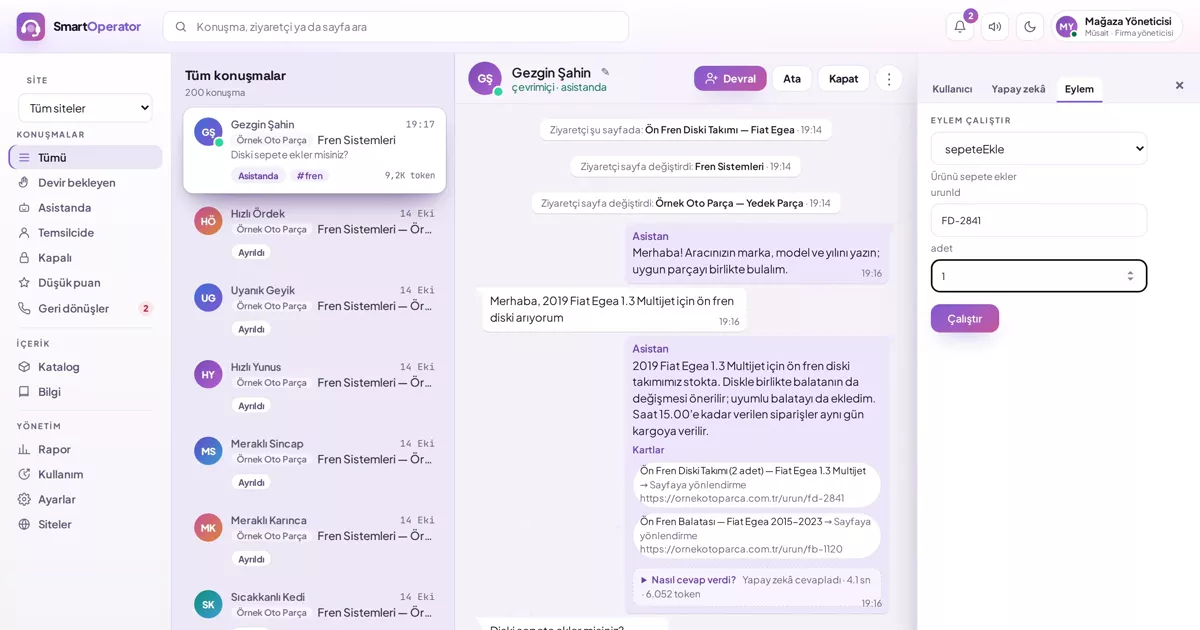
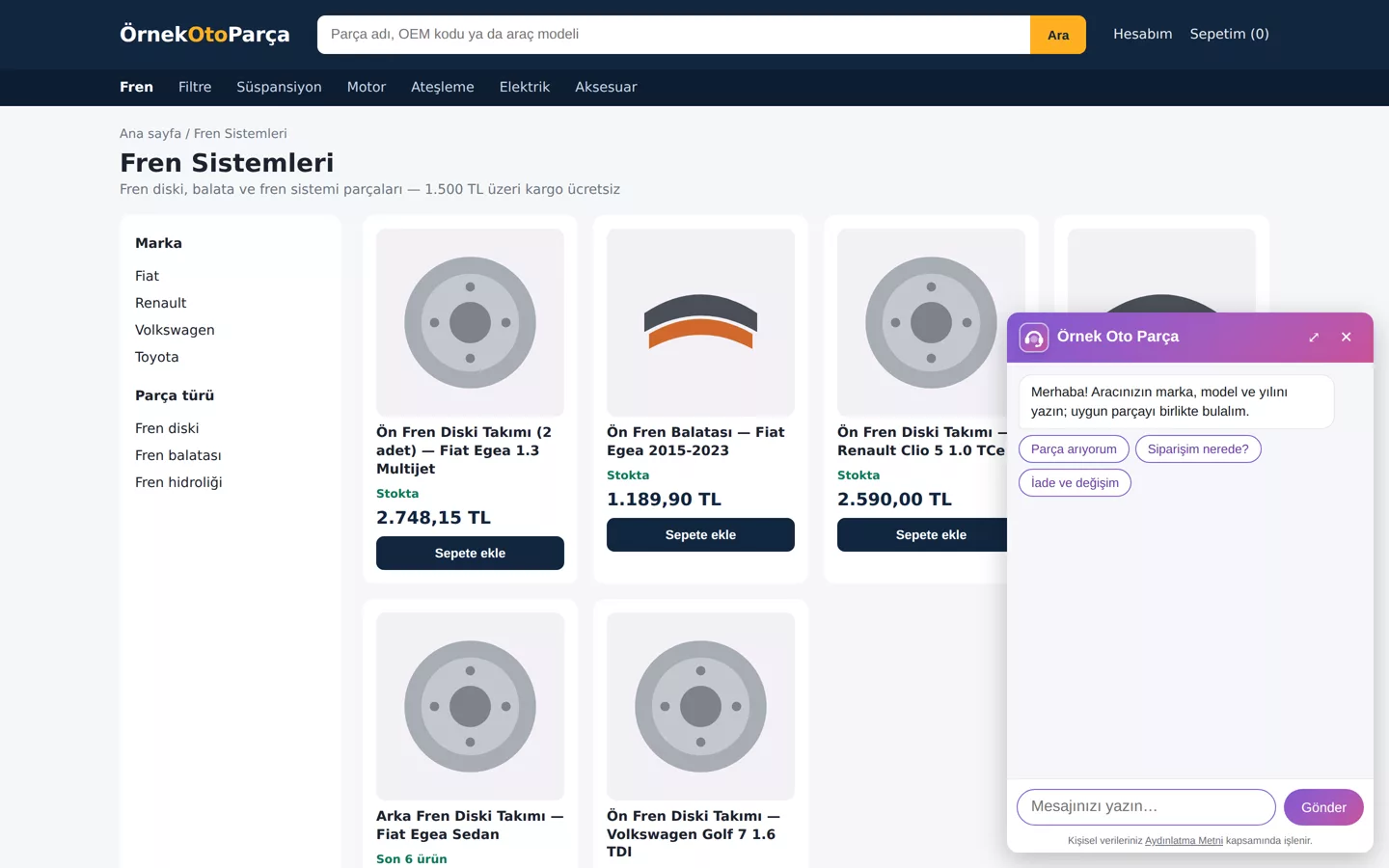
For product questions, the assistant searches your catalogue first and answers only with found products; the name, price and visual in the product card come directly from your data, not from the model's text. Before the answer reaches the visitor, it is checked for concrete claims not present in the sources; if found, the answer is rewritten once. The trail of every answer is visible in the dashboard.
What does the assistant do when it doesn't know the answer?
Instead of guessing, it suggests handing over the conversation to your team or asking for the visitor's contact details for questions not corresponding to the knowledge bank or catalogue. From the trail under the answer in the dashboard, you can see which source was consulted, and you can add missing information to the knowledge bank as an item; the new item is used from the next answer onwards.
Where does incorrect information come from?
Incorrect answers from assistants usually come from three sources:
- Lack of source: When the answer to the question is not provided to the model, it guesses from its general knowledge. It answers "Is this product guaranteed for 2 years?" without knowing your site's policy.
- Old data: Prices and stock change daily. A product list uploaded once during setup and not updated produces an answer that looks correct but is now invalid.
- Written number: If the price, stock or delivery time appears in the text written by the model itself, there is always a chance of a number being transmitted incorrectly.
Therefore, the question to ask is not "how smart is the model?", but "what does the model base its answer on and can I see this?"
What does catalogue-dependent answer mean?
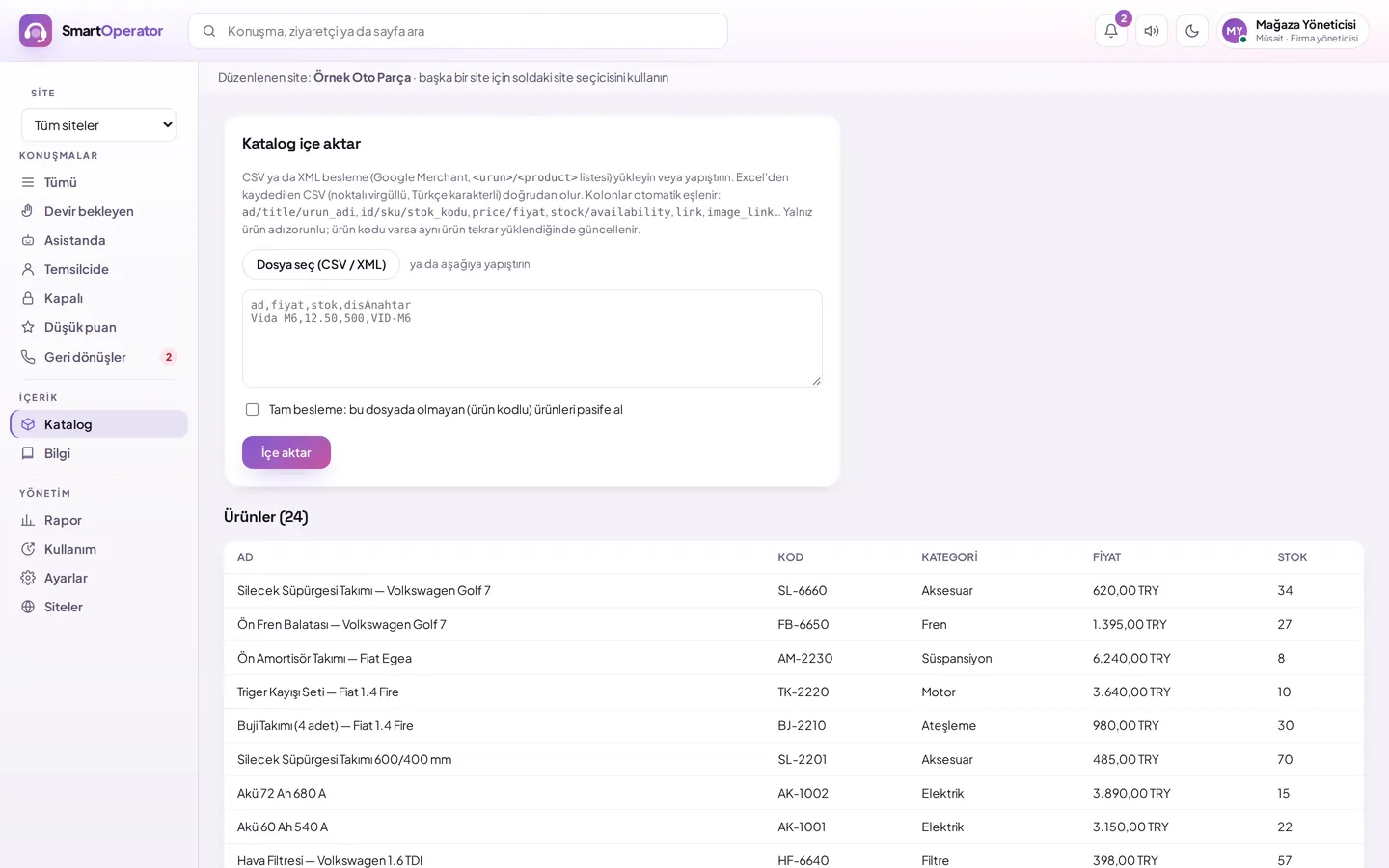
A catalogue-dependent assistant searches your product list first for product questions and answers only with found products. The catalogue is not given wholesale to the AI; only a few relevant products are retrieved per question. This keeps the answer up-to-date even on sites with hundreds of thousands of products.
The second important point is the product card. In SmartOperator, the product name, price, visual and link in the cards appearing under the answer do not come from the text written by the AI, but directly from your catalogue or store database. The model marks a product only with a source tag; the content of the card is populated from your server data.
Verification before sending the answer
Linking to the source alone is not enough; it is necessary to ensure the model does not add a sentence not present in the source. In SmartOperator, a long answer passes through separate verification before reaching the visitor: it checks whether the answer contains concrete claims (price, number, date, duration, guarantee, promise) not found in the sources. If such a claim is found, the model rewrites the answer once, instructed to remove what is not in the source and state that it does not know.
It is also clear what the assistant should do in situations it does not know: instead of guessing, it should suggest handing over the conversation to your team or asking for the visitor's contact details.
View the trail of every answer
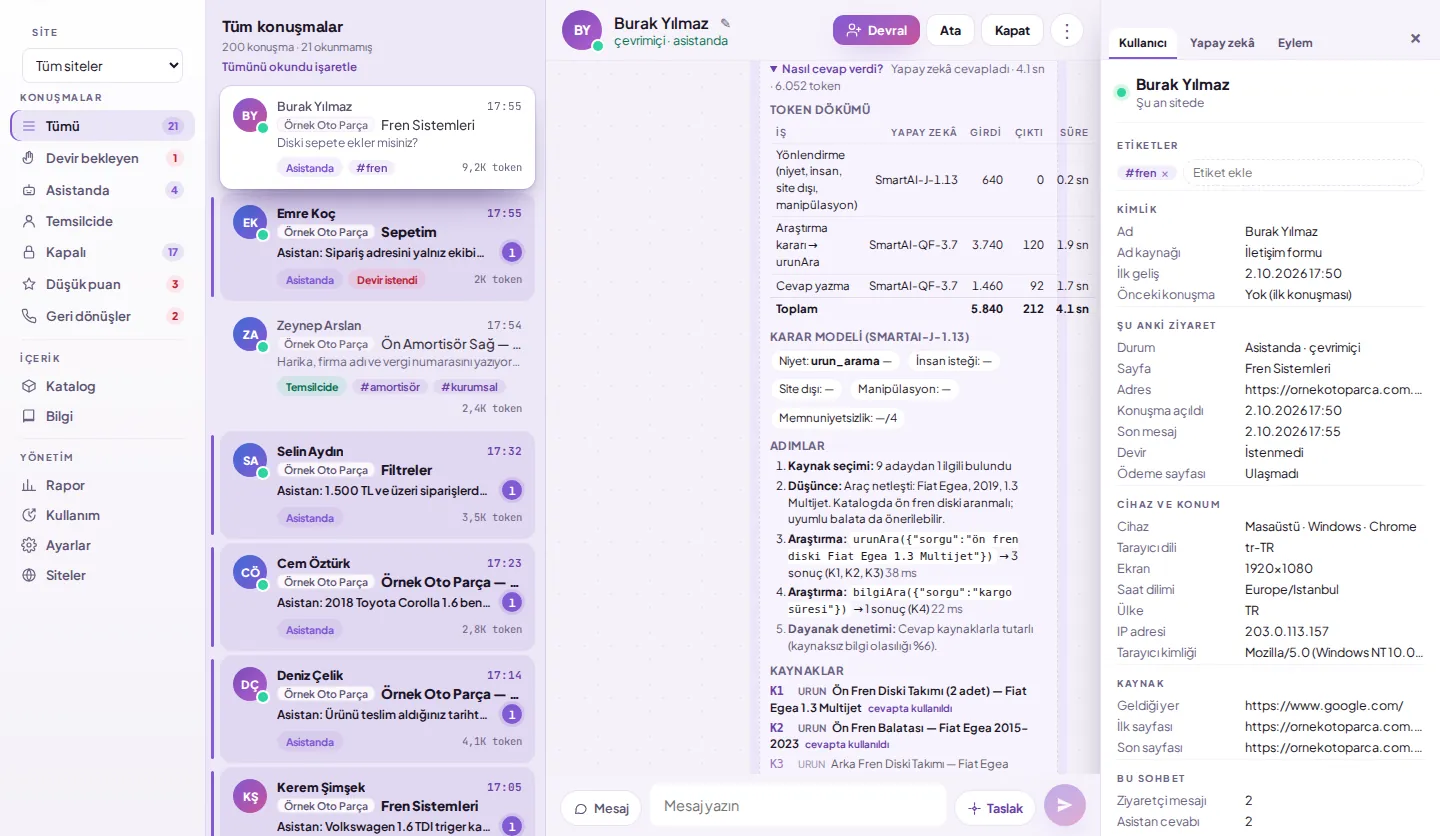
Visibility is the final step of security. Under each answer in the dashboard, the "How did it answer?" section opens: the visitor's intent, selected knowledge items, called tools (e.g., catalogue search) and sources the answer is based on are listed in order. This trail is visible only in the dashboard, not sent to the visitor.
Checklist: when choosing an assistant
When choosing an assistant, ask what source the answers are based on, where the price comes from, and what the assistant does when it doesn't know.
- Are answers to product questions based on searches made in your catalogue?
- Does the price in the product card come from your data or from the text written by the model?
- How is the catalogue updated: file transfer or database connection?
- What does the assistant do when it doesn't know: guess or hand over?
- Can you see in the dashboard which source each answer is based on?
How SmartOperator solves this
SmartOperator answers product questions by searching your catalogue or store database; details such as name, price, and images come directly from your data.
- Search linked to catalogue: In response to product queries, it searches your catalogue or store database and answers only with found products.
- Product card from data: The name, price, image, and link on cards come directly from your data.
- Pre-send audit: Responses containing concrete claims not present in the source are rewritten once.
- AI trace: The source each response is based on is visible on the dashboard.